
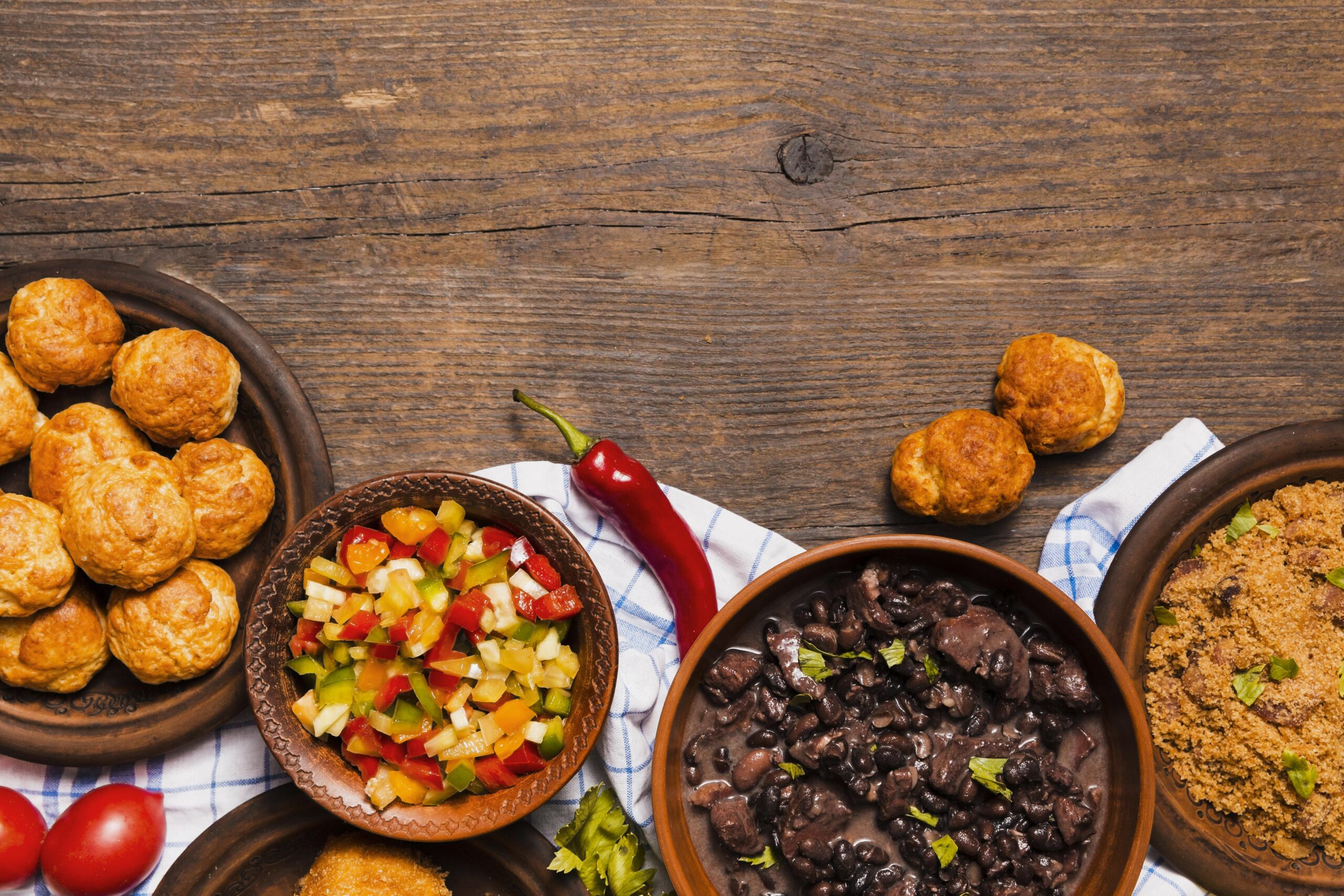
The National District of the Dominican Republic offers a broad and diverse gastronomic scene, ranging from traditional Dominican cuisine to innovative international proposals.
There are numerous establishments and restaurants that reflect the culinary diversity and richness of the National District, providing unique experiences that cater to all tastes and preferences.
Whether one is looking for traditional Dominican dishes or exploring international cuisines, the National District offers options for every palate:
– La Cassina: A fine dining restaurant capable of blending Mediterranean flavors with a pleasant and elegant atmosphere.
– Bottega Fratelli: An Italian culinary experience with a modern twist.
– Buche Perico: Known for its contemporary Dominican cuisine in a historic setting.
– El Conuco: A restaurant where you can enjoy an authentic Dominican experience in a folkloric and traditional environment.
– Samurai Restaurant: Considered the best traditional Japanese restaurant in Santo Domingo.
Gastronomy
The gastronomy of the National District of the Dominican Republic, especially in Santo Domingo, is a vibrant fusion of native flavors with African, European, and American influences.
This rich diversity has given rise to a wide variety of traditional dishes and modern options that reflect the island’s history and culture.
Traditional Dominican Dishes
In Dominican cuisine, one cannot miss emblematic dishes such as sancocho, which has countless variations, as well as mangú, La Bandera Dominicana, mofongo, fried fish, and pastelón.
MANGÚ
Mangú is one of the most representative dishes of Dominican gastronomy, very similar to angú, a plantain purée prepared in Costa Rica.
Mangú has African roots and is believed to originate from enslaved people brought to the island during colonization.
Its basic ingredients are green plantains, water and salt to taste, butter or oil, and a splash of cold water.
It is made from boiled green plantains mashed into a purée and served with sliced fried salami, fried salted white cheese, and fried or scrambled eggs, depending on preference.
This combination is known as “los tres golpes” and is commonly eaten for breakfast as a nutritious and energy-boosting meal, although it can also be enjoyed at other times of the day.
BANDERA DOMINICANA
La Bandera Dominicana is the most representative dish of Dominican gastronomy and consists of:
– White rice: The base of the dish, cooked until fluffy and loose.
– Stewed beans: Usually red beans, though black or white beans are also used, prepared with garlic, onion, bell pepper, oregano, and other spices.
– Stewed meat: Chicken, beef, or pork marinated with garlic, oregano, salt, and lemon, then cooked with a sofrito of onion, tomato, and spices until tender and juicy.
It is called La Bandera Dominicana because its colors resemble those of the national flag (white, red, and blue).
It may be accompanied by fried plantains, avocado, green salad, or a fried egg.
MOFONGO
Mofongo is a typical and delicious dish of Dominican cuisine, crispy on the outside and soft on the inside. It is made from fried green plantains mashed with garlic, pork cracklings, and broth, making it ideal as a side dish for meats and seafood.
Mofongo is an unmistakable delicacy that can also be stuffed with seafood, chicken, cheese, or vegetables.
SANCOCHO
Sancocho is one of the most emblematic dishes of Dominican gastronomy. It is a thick and hearty stew prepared with a combination of various meats (chicken, beef, longaniza, etc.), root vegetables (cassava, yam, squash, green plantain), and spices (cilantro, oregano, salt, pepper, etc.).
It is a festive dish, ideal for family gatherings and celebrations.
Sancocho can be prepared in several ways:
– Seven-meat sancocho: The most popular version, made with chicken, pork, beef, longaniza, smoked pork chop, and goat meat.
– Simple sancocho: Made using only chicken or beef.
– Bean sancocho: Red beans or pigeon peas are added.
This traditional dish, a symbol of hospitality and family unity, is usually served with white rice, avocado, corn fritters, fried plantains, and spicy peppers.
FRIED FISH
Another traditional and popular dish in Dominican gastronomy—especially in coastal areas and restaurants in the National District of Santo Domingo—is fried fish, crispy on the outside and juicy on the inside, usually served with fried plantains, salad, and avocado.
The most commonly used fish for this dish are red snapper, grouper, and mahi-mahi.
Several restaurants offer this delicious specialty:
– Adrián Tropical: Restaurants with spectacular sea views, where fried fish is the star dish, served with fried plantains and creole salad.
– El Mesón de la Cava: A restaurant located inside a cave, where fish is prepared with a gourmet touch.
– Pico Pollo del Malecón: Famous for its fried chicken and fried fish.
– Jalo: A restaurant offering authentic Dominican food, where fried fish is served with traditional side dishes.
– El Conuco: An ideal restaurant to enjoy typical Dominican cuisine, featuring excellent fried fish, a folkloric atmosphere, and live music.
PASTELÓN
Pastelón, similar to lasagna, is a delicious traditional Dominican dish made with ripe plantains instead of pasta.
Its main ingredients include:
– Very ripe yellow plantains, baked (although eggplant or cassava may also be used).
– Ground beef, chicken, or pork.
– Shredded mozzarella or cheddar cheese, which provides the perfect balance between sweet and savory.
– Onion, bell pepper, and tomato for the sofrito.
– Salt, pepper, oregano, and seasoning.
Pastelón is one of the most appreciated recipes in Creole cuisine, ideal for family lunches or celebrations.
Traditional Desserts
After enjoying a good meal, there is nothing better than indulging in one of the many delicious traditional desserts, such as:
– Habichuelas con dulce: A traditional dessert made with red beans, milk, sugar, sweet potato, raisins, and spices (cinnamon and cloves).
– Majarete: A creamy dessert with a pudding-like texture made from tender corn, milk, cinnamon, and sugar.
– Dominican cake: Light and fluffy, filled with pineapple or guava cream and topped with a light meringue.
– Coconut sweet: Made with shredded coconut, milk, sugar, and spices.
– Jalao: A traditional sweet with a soft caramel-like texture made from honey, shredded coconut, and ginger.
– Curdled milk dessert (dulce de leche cortada): A very traditional homemade dessert, served cold.
– Dominican arepa: A baked corn cake made with coconut milk and spices, perfect to enjoy with a good cup of coffee.
As can be seen, Dominican gastronomy offers a wide variety of dishes and desserts, proudly combining American, European, and African flavor influences with a touch of creativity.