San Cristóbal is a municipality of the Dominican Republic, located in San Cristóbal Province, in a small valley at the foothills of the mountains belonging to the Central Mountain Range, between the Nigua and Nizao rivers.
This city, whose official language is Spanish, is known for being one of the country’s most important provinces, with a rich cultural, social, and economic history.
Below are some of the key aspects of San Cristóbal:
History
San Cristóbal holds great historical significance, as it was one of the first cities founded during Spanish colonization.
Originally, the city was a settlement known as “Villa de San Cristóbal”, and although it was not as important as other cities on the island in its early years, its strategic location made it a key point for expansion toward the interior of the country.
During the early years of the 19th century, it was the scene of major conflicts and battles. It was involved in struggles for independence, including the Independence from Haiti and the Dominican War of Independence.
San Cristóbal is also well known for its connection to the dictator Rafael Leónidas Trujillo, as it was his birthplace.
During Trujillo’s dictatorship, the city underwent significant urban and economic transformations.
After Trujillo’s death, the city experienced the end of the dictatorship and the beginning of a new democratic era.
Today, San Cristóbal has experienced strong modern growth, although many aspects of daily life still preserve traditions from the past.
The city has been important not only for its political history but also for its role in agriculture and industry. Today, it is a key economic center in the southern region of the country, particularly in agricultural production such as sugarcane and rice.
Geography and Terrain
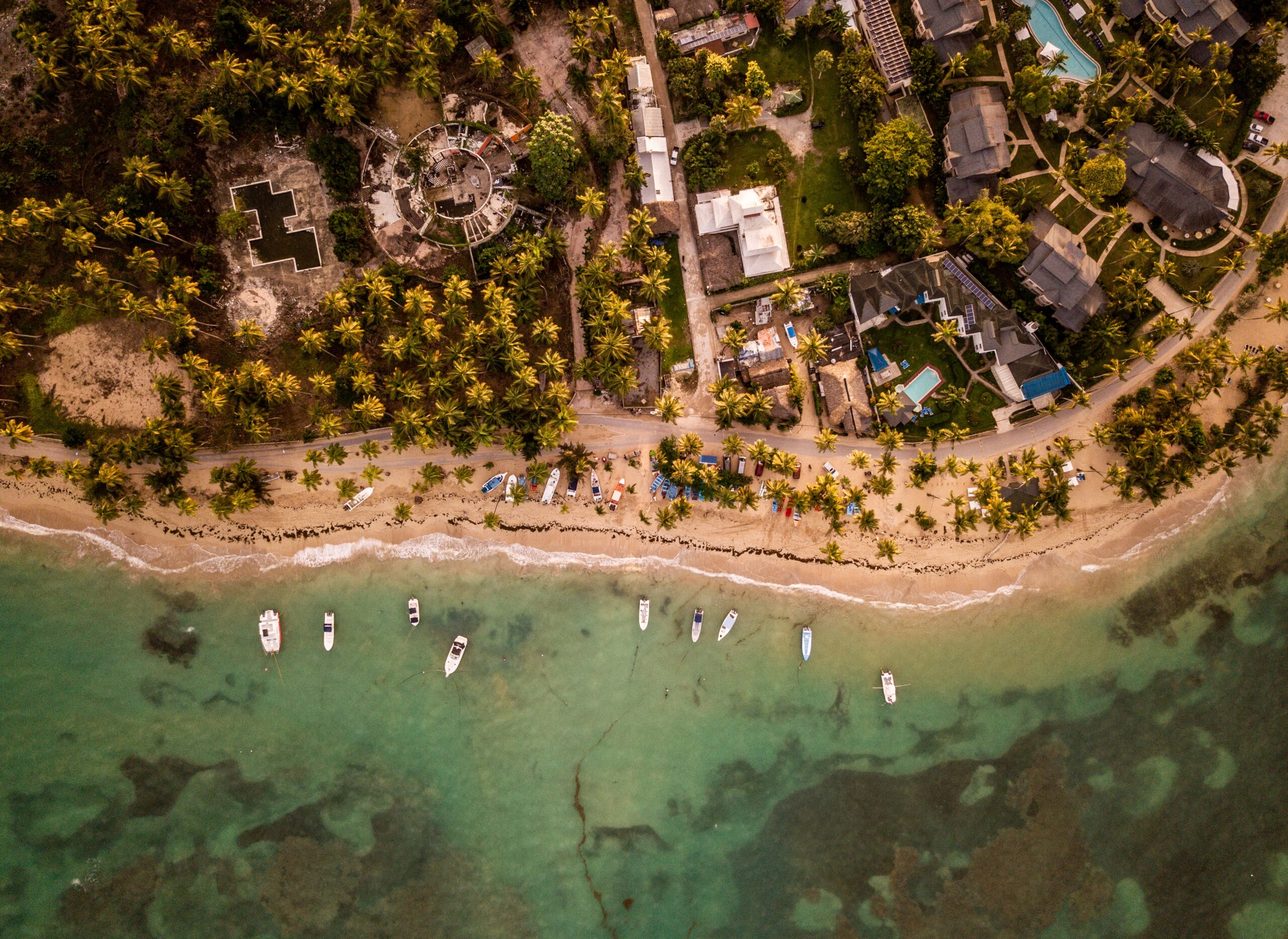
The city of San Cristóbal is located about 30 kilometers southwest of Santo Domingo, the country’s capital, and is surrounded by mountains, hills, and natural beauty that make it a picturesque place.
It borders Monte Plata Province to the north, Santo Domingo Province to the east, the Caribbean Sea to the south, and San José de Ocoa and Azua provinces to the west.
San Cristóbal’s terrain is predominantly mountainous, with hills and valleys. Notable features include:
- Central Mountain Range (Cordillera Central): Located to the north of the province, it is one of the most important mountain ranges in the country. It is the main source of water resources in the region and includes several high peaks, such as Pico Duarte, the highest point on the island.
- Bahoruco Mountain Range: Located to the southeast of the province, this area is also rich in biodiversity.
- Valleys and Plains: In the lower parts of the province, especially near rivers, there are plains and valleys suitable for agricultural production, including sugarcane, rice, and fruit crops.
Major Rivers Crossing the City
San Cristóbal is crossed by several rivers, the most important of which are:
- Nizao River: Originating in the northern mountains, it flows through several areas before emptying into the Caribbean Sea. It is one of the most important rivers in the province and is essential to regional life, as it provides water for agriculture.
- Yubaso River: An important river that flows through the region, contributing to the local hydrographic network.
- Cabral Lagoon: A well-known site for its aquatic resources and natural beauty.
Climate in San Cristóbal
San Cristóbal has a tropical climate, characterized by warm temperatures for most of the year. However, due to its mountainous terrain, higher areas experience cooler temperatures compared to lowland areas.
In general terms:
- Low-lying areas near the coast and valleys have higher temperatures and a warm, humid climate for most of the year.
- Mountainous areas experience cooler temperatures, especially in the higher parts of the Central Mountain Range.
The rainy season generally occurs between May and October, with heavy rainfall that supports agricultural activity in the region.
Flora and Fauna
San Cristóbal’s geography supports a wide diversity of flora and fauna.
- Mountain areas are home to pine forests and other native species, while lowland areas near rivers are ideal for agriculture.
- In terms of fauna, San Cristóbal is home to various species of birds, mammals, and reptiles that inhabit both mountainous and rural areas.
Culture
The city is well known for its cultural influence, especially in music, with merengue and bachata, dances that are very popular among its residents.
Today, San Cristóbal is a growing province and an important place in the social, political, and economic life of the Dominican Republic.
Visitors are invited to explore its monuments and historical sites, churches, and colonial buildings that bear witness to its rich history, and to enjoy all the charms the city has to offer.