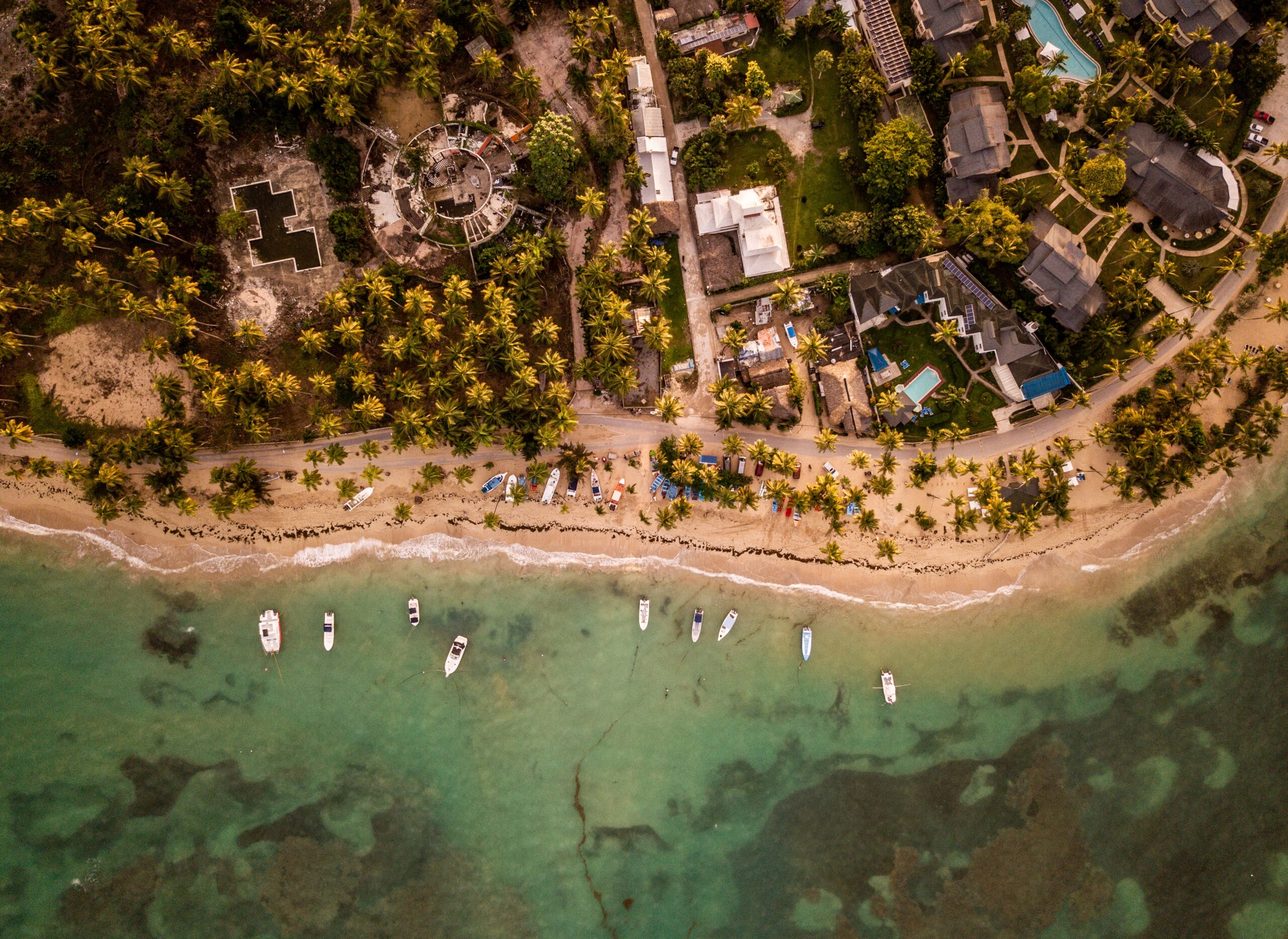

Cueva del Puente, located in La Romana, Dominican Republic is a stunning natural tourist site famous for its geological beauty, impressive rock formations and rich geological history.
This cave, located in a quiet environment, is known for being close to a natural bridge that connects the region with other nearby areas.
It is a popular destination for nature enthusiasts, spelunkers and adventurous tourists interested in exploring a unique cave environment with subway water, rock formations, stalactites and stalagmites.
It is also an excellent and ideal destination for photography and ecotourism lovers.
In addition, other tourist attractions such as the Catalina Islands and the famous beaches of the region are located near La Romana.
Cueva del Puente, a fascinating natural attraction
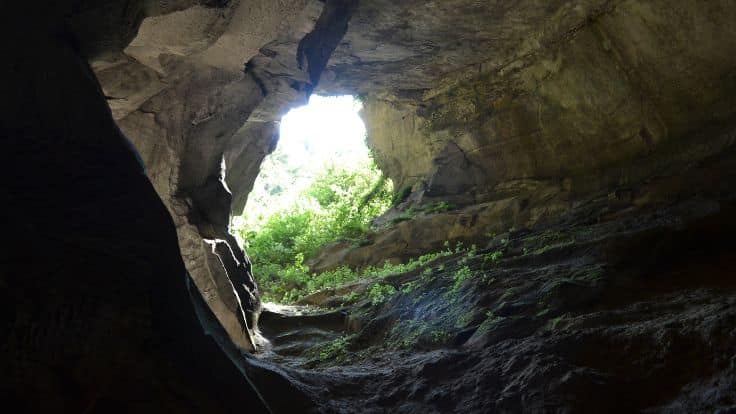
This fascinating natural attraction, La Cueva del Puente, located in the Parque Nacional del Este, in La Romana, Dominican Republic is known for its impressive formations of stalactites and stalagmites, and cave paintings dating back to pre-Columbian times.
The elements of this natural labyrinth have sculpted, drop by drop over the millennia, an impressive and unique subterranean landscape that leaves visitors in awe.
Some of the highlights include:
Stalactite and stalagmite formation
The Cueva del Puente in La Romana is an impressive cave system known for its geological richness.
Inside the cave, you can find formations of stalactites and stalagmites, which have been created over thousands of years by the dripping of mineralized water leaving limestone deposits, giving rise to a unique and attractive subway landscape for lovers of speleology and photography.
Stalactites are formations that hang from the ceiling when calcium carbonate-laden water slowly drips down, leaving mineral deposits that over time create hanging cone-shaped structures.
Stalagmites emerge from the cave floor when water dripping from the ceiling deposits the same minerals on the floor, gradually accumulating to form ascending columns.
With the passage of time, some stalactites and stalagmites may join together, forming columns or pillars of calcareous rock.
On its walls, La Cueva de Puente also houses pictographs and petroglyphs made by the Taino Indians, ancient inhabitants of the island, which adds historical and cultural value to the place.
Rocks and caverns of different sizes
The interior of the cave offers several chambers and passages where you can see large blocks of rocks, some of them with interesting structures that seem to have been sculpted by water erosion.
Biodiversity
Although it is not very common, some tropical caves such as this one, La Cueva del Puente, may harbor species of bats and other small animals adapted to the cave environment.
There may also be limited vegetation at the entrance due to constant humidity.
Crystal clear water
In some parts of the cave there may be small ponds or streams of crystalline water that add a magical touch to the place.
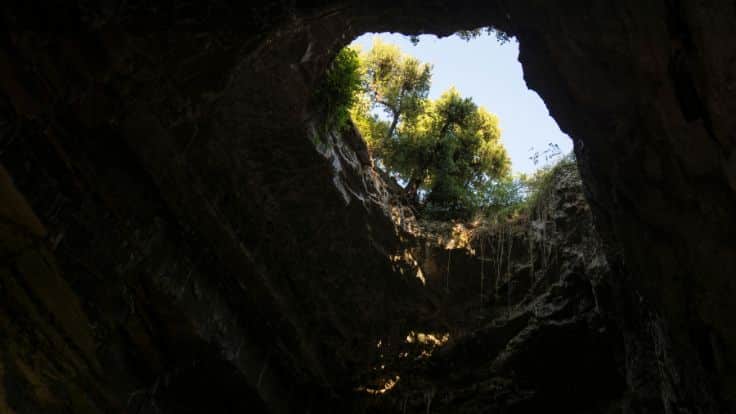
Unique subway landscapes
The lights and shadows generated inside the cave, together with the rock formations, create a mysterious and fascinating environment, ideal for photography and exploration lovers.
To access the Cueva del Puente, a 1.6 km walk is required, approximately half an hour from the starting point (the entrance to the park). It is therefore advisable to bring appropriate footwear, water and a flashlight to explore the interior of the cave.
It is recommended that the hike be done in the company of a local guide, who will provide detailed information about the history and characteristics of the cave.
The environment inside the cave is cool and humid, which makes the tour a little different from other tourist sites, creating a unique experience that combines adventure, history and direct contact with nature, allowing visitors to immerse themselves in a subway world full of natural and cultural wonders.
For those who dare to explore the depths of the Cueva del Puente, the visit turns out to be a totally unforgettable experience.