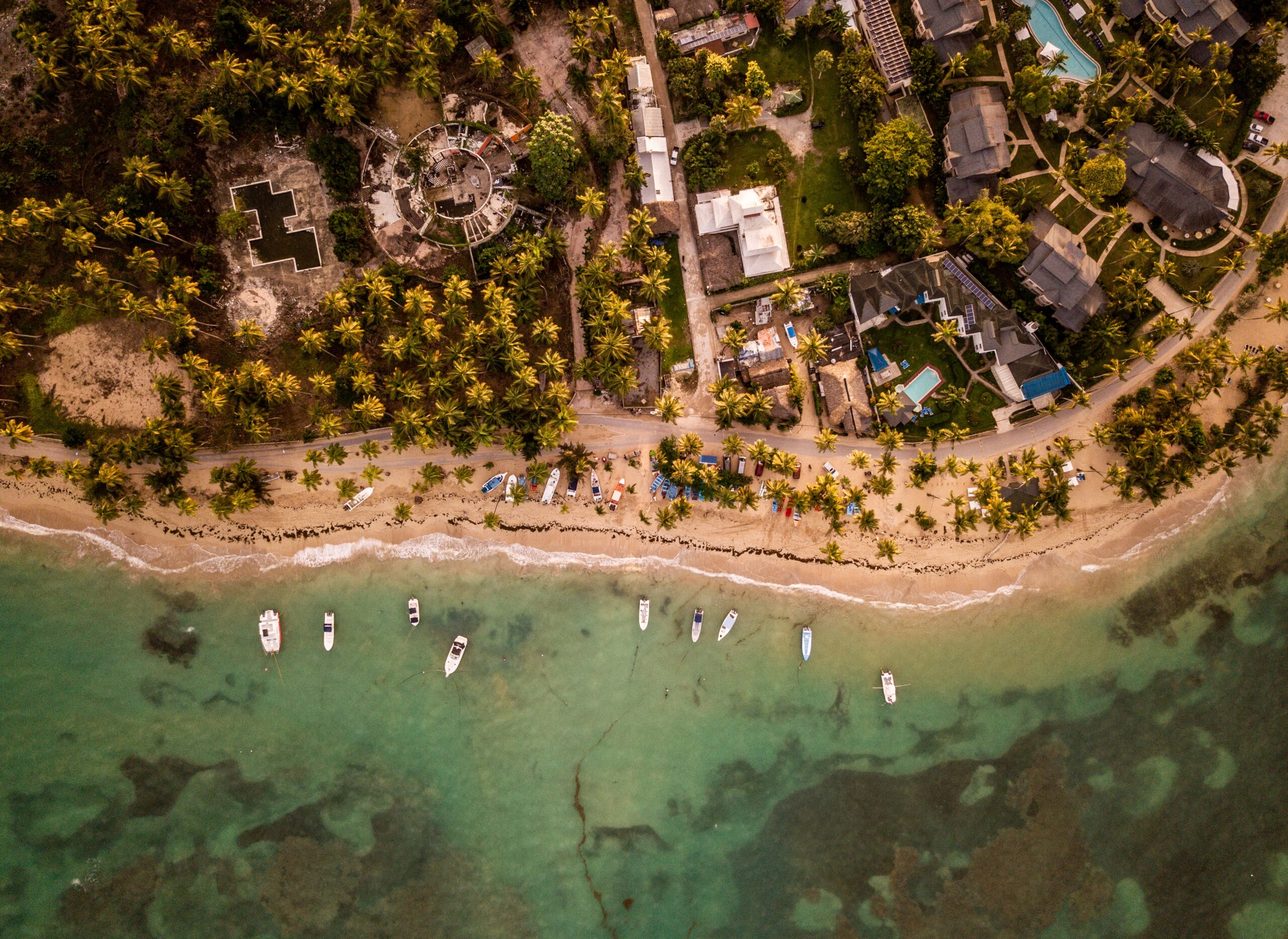

San Cristóbal, a province of the Dominican Republic, is located in an irregular valley, surrounded by hills and low mountains. It is crossed by numerous ravines and several rivers that are fundamental for its ecosystem as well as for human activities.
Rivers and streams you can visit in San Cristóbal
In San Cristobal Dominican Republic, there are several rivers, streams and waterfalls that stand out for their natural beauty, offering a great opportunity for lovers of ecotourism and outdoor adventures.
These rivers are not only vital for water supply and energy generation, but also offer natural attractions that promote ecotourism in the region.
Some of the most popular and important rivers in the provinces of San Cristóbal y Nieves, known as La Vega in the Dominican Republic, include:
- Haina Waterfall
- Nizao River
- Nigua River
- Yubazo River
- El Rincón Creek
- Los Patos Waterfall
- Camú River
- Yuna River
- Jima River
- Maimon River
Haina Waterfall
This beautiful waterfall is located on the Haina River, which flows along the eastern border of the province of San Cristóbal. It is born in Loma El Zumbador, in the Central Mountain Range, and flows into the Caribbean Sea, near Bajos de Haina.
Historically, the Haina River was significant for its gold deposits, which led to the construction of a fort called San Cristobal by Bartholomew Columbus in 1496.
Nizao River
The Nizao River is one of the most important in the region and its bed is the El Limón waterfall, a spectacular waterfall that is ideal for the adventurous.
The Nizao River crosses the province from east to west, serving as a natural boundary between San Cristóbal and Peravia. It is known for its clean waters and scenic beauty.
The Jigüey and Valdesia dams, which are part of the Joaquín Balaguer Hydroelectric Complex, are located on its course, providing drinking water and hydroelectric power to the surrounding regions.
Nigua River
The Nigua River rises in the mountains of the Cordillera Central and flows south, passing through the municipality of San Cristóbal.
It is well known for its clear, cold waters that are used for hydroelectric power production and drinking water supply.
Yubazo River
The Yubazo River flows through the municipality of Cambita Garabitos and is a tributary of the Nigua River. Its clean and transparent waters flow among beautiful natural landscapes and in its course there are streams and creeks that contribute to its flow.
El Rincón Creek
El Rincón Creek is located in the municipality of Sabana Grande de Palenque, near the community of El Rincón.
This impressive place offers a calm and serene environment, ideal for relaxing and enjoying contact with nature by hiking and taking a relaxing swim in the stream.
Los Patos Waterfall
Los Patos Waterfall is one of the most beautiful and popular waterfalls in the Dominican Republic, especially known for its impressive waterfall and its natural environment.
It is a waterfall of about 30 meters high that falls in a natural environment surrounded by dense tropical vegetation. The water falls into a natural pool of crystal clear water, creating an impressive landscape, ideal for taking pictures and enjoying the natural beauty.
It is famous not only for its visual beauty, but also for the soothing sound of falling water and the tranquil setting in which it is located.
A tourist attraction, it is an ideal area for hiking, swimming in the refreshing and crystalline waters of the pools, offers great opportunities to take stunning photos and is an excellent place for nature lovers and bird watching.
Camú River
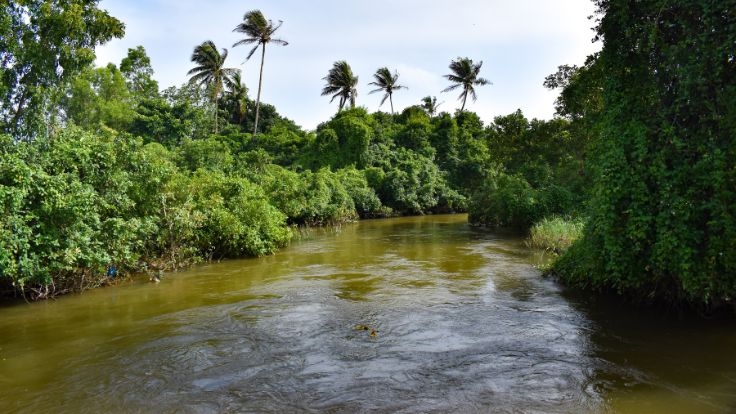
The Camú River is one of the most important rivers in the province of La Vega, which originates in the Central Mountain Range, flows through several municipalities and finally empties into the Yuna River, one of the largest in the region.
It is known for its natural beauty and for being an important resource both for the agriculture of products such as coffee, tobacco and other tropical crops, as well as for the production of hydroelectric energy.
Yuna River
The Yuna River is one of the most important and longest rivers in the region and extends through several provinces of the Cibao region, including La Vega.
It rises in the Cordillera Central and is crucial for both water supply and agriculture in the area.
It is ideal for boating, one of the most popular activities on the Yuna River, especially in areas near the Tavera dam.
It is also ideal for sport fishing, especially in areas such as Jarabacoa and Constanza, where fishermen enjoy a great variety of fish species.
Jima River
The Jima River flows through the eastern part of La Vega and is known for its crystal clear waters. This river is important for agriculture in the region due to its constant flow.
It is ideal for recreational activities such as hiking and photography.
Maimon River
The Maimon River originates in the mountains of the Cordillera Central and is a tributary of the Yuna River. This river is known for its beauty and clear waters.
The rivers in San Cristóbal and La Vega are essential for both local development and the conservation of natural ecosystems.
In addition to being sources of drinking water and hydroelectric power, these rivers offer a wide variety of recreational and tourist activities, such as hiking, fishing and photography, so if you are a nature lover, these rivers are perfect destinations to explore.