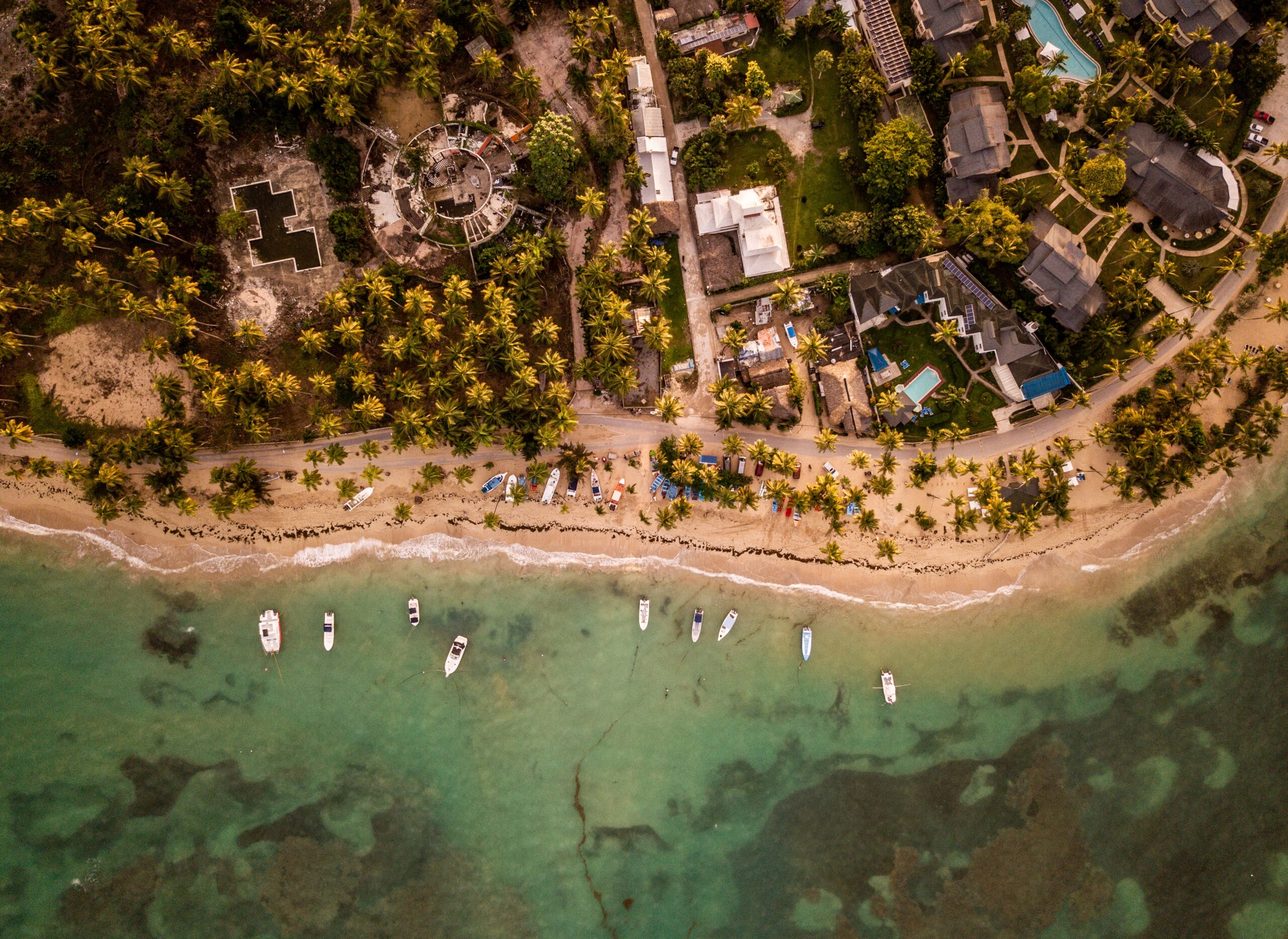

Punta Cana is not only a paradisiacal destination of turquoise beaches and luxury resorts, but also a place full of vibrant culture and deep-rooted traditions. To understand the true essence of this corner of the Dominican Republic, it is essential to know its customs, people and folklore.
Culture in the Dominican Republic
The Dominican Republic is a country with a unique identity born from the fusion of Taino, African and Spanish influences. This mix is reflected in its music, gastronomy and festivities. The warmth of its people is another of its great assets, and Dominicans are known for their joy, hospitality and passion for life.
Local traditions of Punta Cana
Punta Cana, although a very international tourist destination, retains many of the Dominican traditions that make it special. From its musical folklore to its gastronomic delights, there is much to discover.
Music, dances and dances
If there is one thing that defines Dominicans, it is their love of music and dance. In Punta Cana, traditional rhythms resonate in every corner:
- Merengue: Considered the national rhythm, merengue is an upbeat and fast genre that is danced in pairs. Its characteristic sound comes from instruments such as the tambora, accordion and guira.
- Perico ripiao: It is a more traditional version of merengue, characterized by integrating three to four musicians.
- Bachata: Originally from the Dominican Republic, bachata is a romantic and melancholic genre, with lyrics that speak of love and heartbreak.
It is common to find in Punta Cana bars and clubs where tourists can learn these dances and immerse themselves in the Dominican passion for music.
Gastronomy
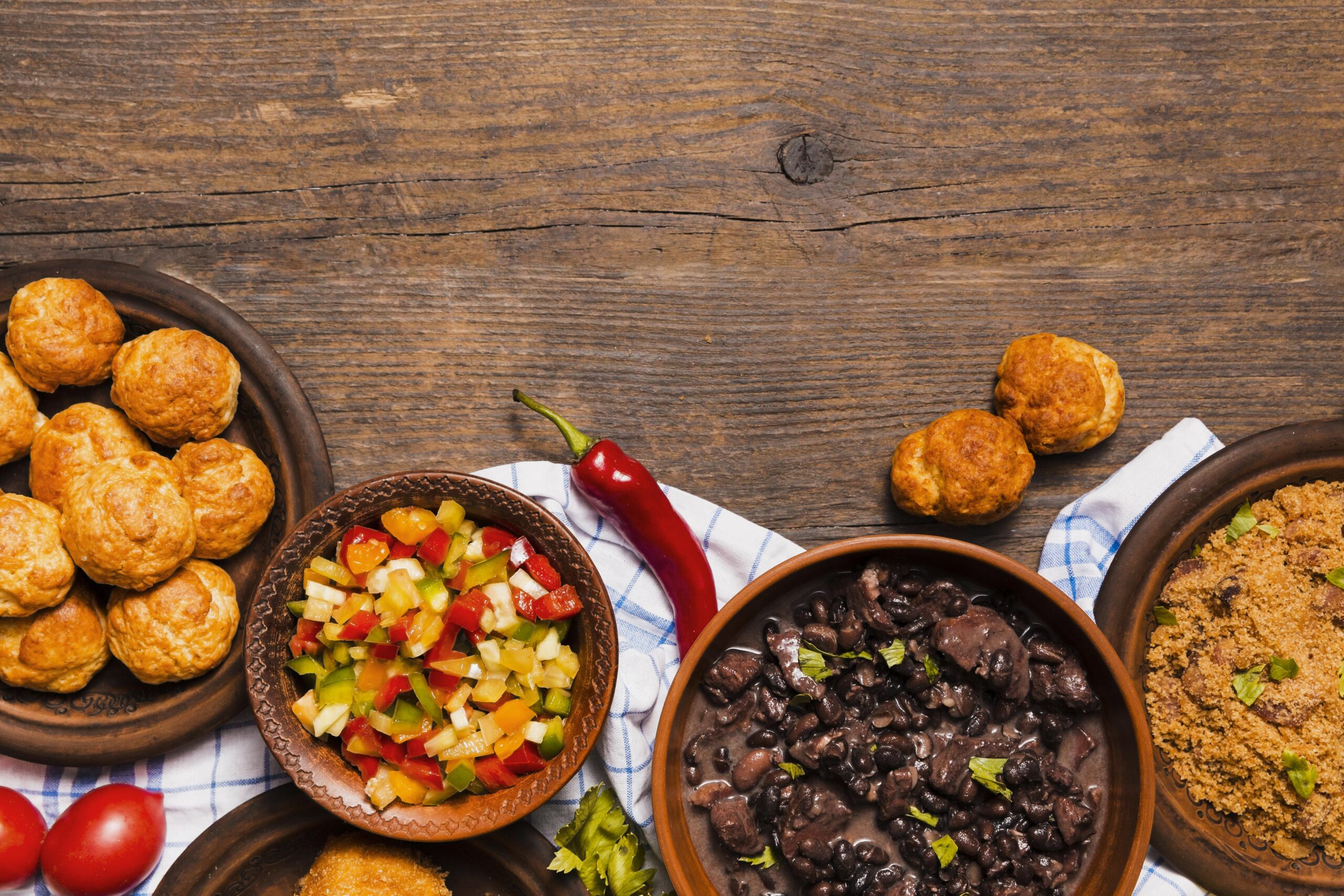
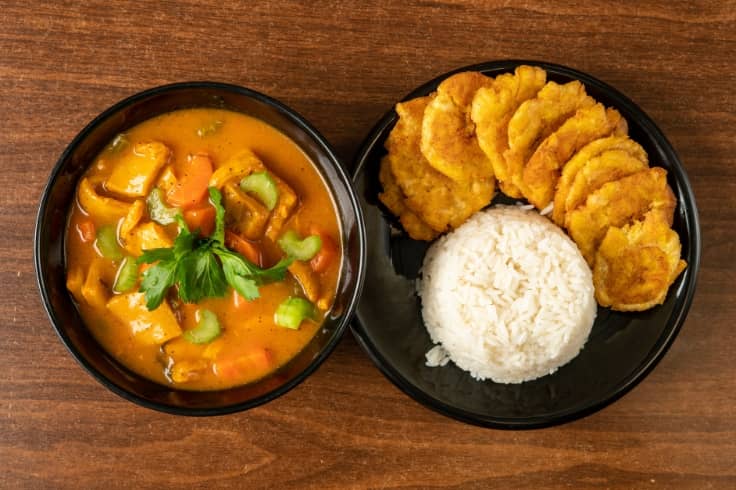
Dominican food is a reflection of its history and cultural diversity. In Punta Cana, local flavors delight visitors with typical dishes such as:
- La Bandera Dominicana: An iconic dish composed of rice, beans and stewed meat, accompanied by tostones or avocado.
- Mofongo: Although of Puerto Rican origin, green plantain mofongo with garlic and chicharrón is also popular in Punta Cana.
- Fried fish with tostones: A classic from coastal areas, where fresh fish is served with crispy fried plantains.
- Sancocho: A stew made with various meats, vegetables, tubers, white rice, avocado, etc.
- Mangú: Delicious green plantain puree, easy to make and delicious to the palate.
Local beverages
We cannot talk about food without also talking about drinks, typical are juices, smoothies, and Caribbean cocktails such as the piña colada or the daiquiri. Rum is considered the “national king”. Other beverages to highlight are:
- Mamajuana: is the result of a maceration process in which honey, rum and red wine are added to a series of roots, spices and pieces of wood from the country.
- Banana Mama: Mixes two types of rum with different tropical fruits. The base is a white rum to which pineapple syrup, coconut cream and grenadine are added to taste.
- Coco Loco: Typical drink throughout the Caribbean that is prepared with coconut and rum. It can be drunk in a glass or directly from the same coconut in which the drink is prepared.
- Beer: The Dominican Republic offers a wide range of beers for beer lovers and the most exquisite palates.
Among the best known beers are: Presidente, Lager type, or others such as Bohemia, Quisqueya or Soberante.
Festivities and events
Punta Cana celebrates various festivities that showcase the richness of Dominican culture:
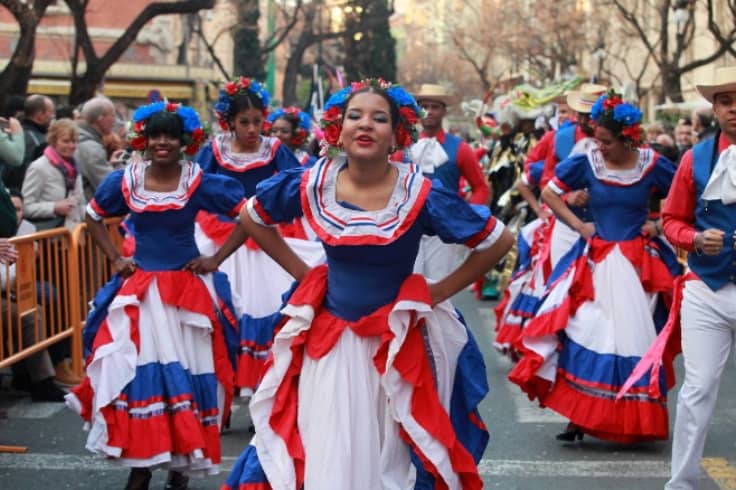
Punta Cana Carnival: Celebrated in February with parades, colorful costumes and lots of music. Carnival in Punta Cana and throughout the country is the most important, vibrant, colorful and spectacular party of the year.
The costumes and masks used have a different meaning than those used in other parts of the world. In Punta Cana, the intention is to ward off evil spirits.
During this festivity we can find street parades accompanied by musical rhythms, election of a queen, masquerade and costume contests and parties in all kinds of places, among many other activities.
Independence Day: Independence Day is celebrated throughout the Dominican Republic on February 27, hence some years this celebration coincides with Carnival.
This day celebrates the country’s independence from Haiti in 1844, every year the date is commemorated with military parades, different events and lots of food and drink to celebrate.
Virgen de la Altagracia Day: On January 21, Dominicans honor their patron saint with processions and religious acts.
Her image represents spiritual protection against any evil, so a large number of devout people come from all over the country to the Basilica of Higüey.
Fiestas Blanca: Usually held in early August, this is a gathering in which many people all dressed in white get together to have fun and enjoy the best music for hours.
Many people also organize their own white parties on the shores of the beach.
Merengue and Bachata Festival: This festival is held from late July to early August in various cities of the country, including Punta Cana. It seeks to pay tribute to these musical genres with the best artists of these, who perform shows and concerts.
Sports
Sports are also a fundamental part of the Dominican culture and several popular activities can be practiced in Punta Cana:
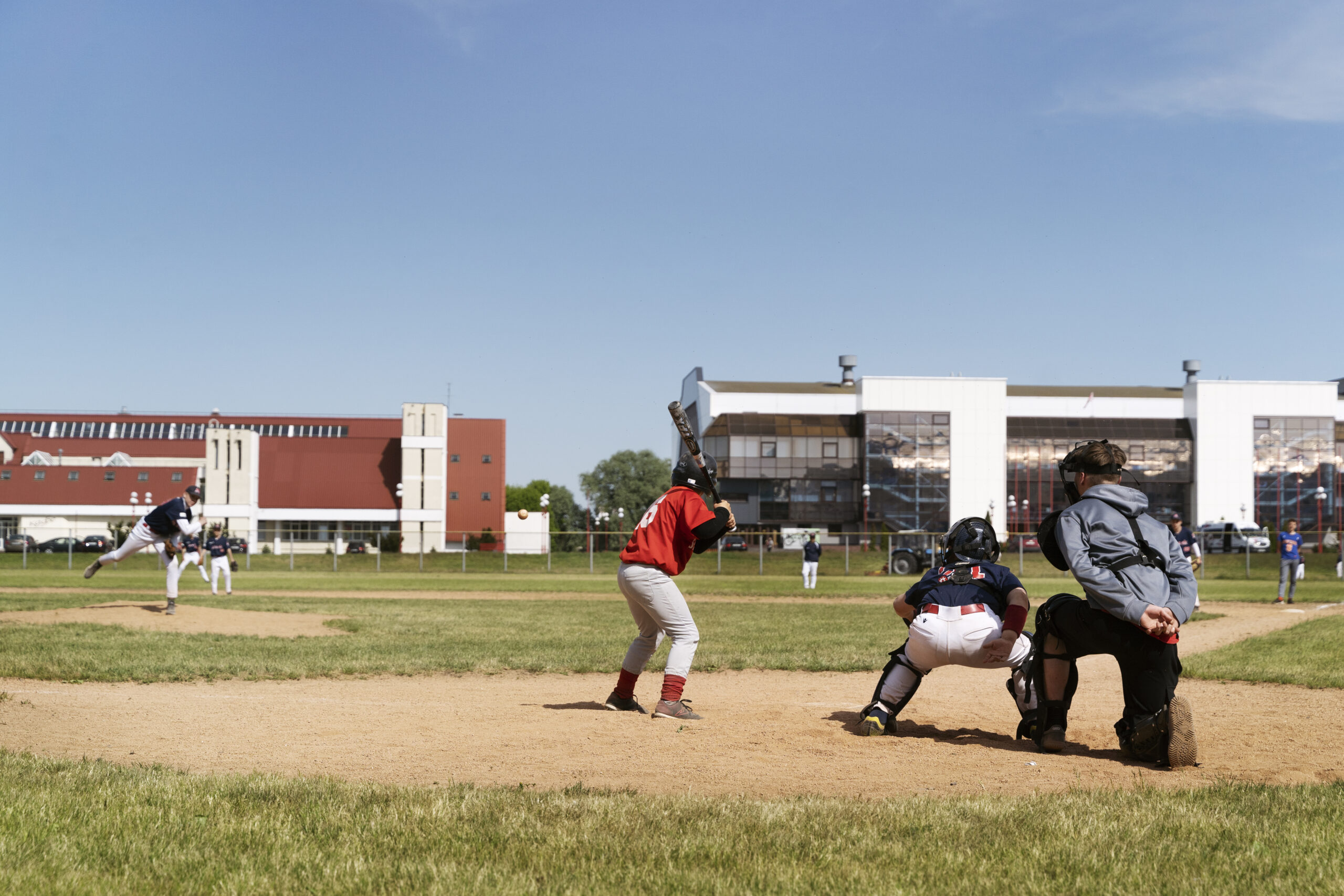
- Baseball: It is the national sport and many Dominican players have triumphed in the U.S. Major Leagues. Although Punta Cana is not a baseball city par excellence, the games are passionately followed in the region.
- Surfing and kitesurfing: The region’s beaches offer perfect conditions for these water sports.
- Golf: Punta Cana is a golfer’s paradise, with world-class courses designed by experts.
- Sport fishing: The area is ideal for fishing for species such as marlin and sailfish, attracting fishermen from all over the world.
Punta Cana is not only a sun and beach destination, but a vibrant reflection of Dominican culture. With its contagious music, exquisite cuisine and colorful festivities, this corner of the Caribbean offers an authentic experience that goes far beyond its beautiful scenery. If you visit Punta Cana, don’t hesitate to immerse yourself in its traditions and experience Dominican passion in every corner.